
Does most content fail before it even reaches the publish button? The global average conversion rate sits below five percent, and that number drops significantly lower for our B2B friends. This represents a staggering 95 percent failure rate for content designed to inspire purchasing decisions.
Marketers frequently assume the success or failure of a campaign comes down to quality. They spend hours obsessing over the perfect graphic, the ideal headline, and the most compelling copy. However, the true culprit is almost always timing. Most of these content failures happen because the strategy is simply too impatient. It asks the audience for far too much, far too soon.
Think about that massive, pulsing ‘Buy Now’ button on the last piece of content your team shipped. Pushing for a sale immediately is the marketing equivalent of proposing marriage on a first date.
At Gould Marketing, we see this misstep constantly, and we know that correcting it is the key to driving meaningful growth and visibility for your brand.
Content is a Relationship, Not a Funnel Asset
The trouble usually begins with the traditional marketing funnel. We design our content strategies as if people move through the awareness, consideration, and conversion phases in a neat, logical order. Humans do not behave like funnels. They move through complex moments of emotional readiness. When content ignores that emotional state, it quietly erodes trust.
Every piece of content you publish serves as a relationship move. Some moves successfully build trust with your audience. Other moves trigger immediate suspicion. Most brands mix these up, using the same tone, language, and calls to action everywhere, regardless of how ready their audience is to engage. What works on a honeymoon is wildly inappropriate on a first date.
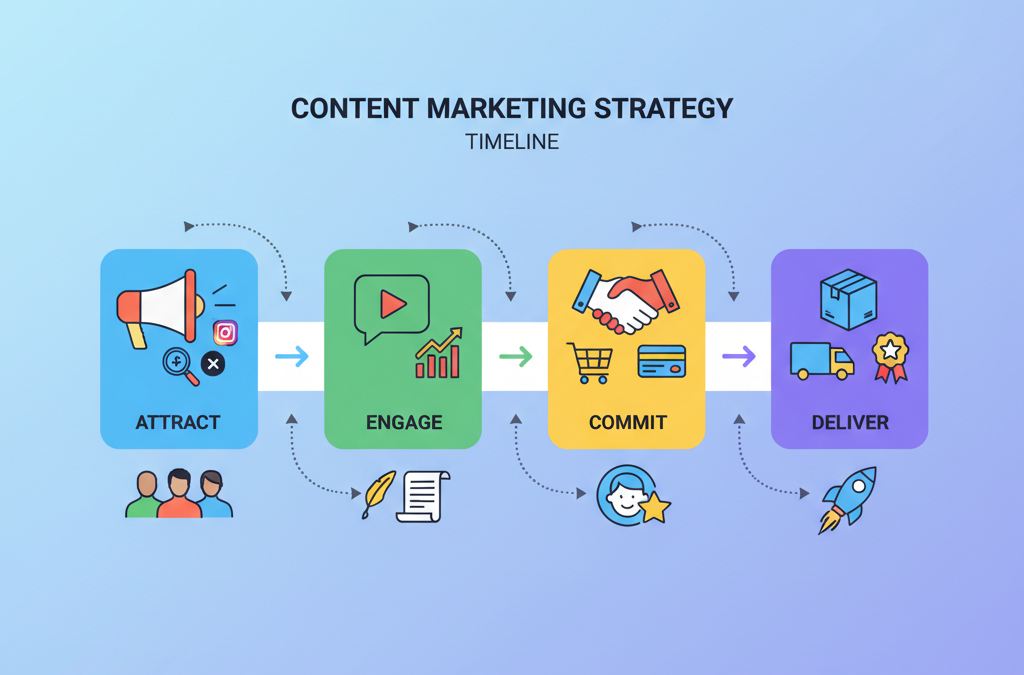
The Arrival: Attracting the Right Crowd
At the very beginning of the journey, the emotional question your audience asks is not ‘what do you do?’ The real question is ‘do people like me like brands like yours?’
This stage is pure tribe detection. If your target audience consists of CEOs in charcoal-grey suits, leaning into ‘lowkey chaotic founder energy’ will actively repel them. If your buyers are millennial operators who describe things as ‘a bit cooked’, using corporate stock photos and earnest talk of leveraging synergies will send them running.
At this stage, your strategy should focus on signalling rather than persuasion. Tone, worldview, and values matter far more than granular detail. A common mistake here is trying to appeal to everyone. This is a highly reliable way to attract the wrong crowd and poison the rest of the customer journey.
The First Impression: Why Should I Stay?
If the right people arrive at your digital doorstep—navigating through the noise and AI-generated slop standing between them and your discovery—the next question becomes: ‘why should I stay?’ It is your job to create the right first impression.
This is the subconscious ‘smells right’ test. Vibe, visuals, and credibility cues do the heavy lifting before a single word of your content is consumed. Colgate built an empire on the claim that ‘9 out of 10 dentists’ recommend its toothpaste, and consumers widely accept it as fact. WordPress powers 44 percent of all websites on the internet, offering a massive credibility drop right out of the gate.
Brands often fail here by coming on far too strong with a premature sales pitch. Alternatively, they make the opposite error by being overly humble and failing to establish authority. If you have 10,000 five-star reviews, lead with them. Overcome the cringe factor and put your credibility front and centre.
The First Date: Inviting Curiosity and Play
Having passed the first impression, your audience readies themselves for the first date. Content here needs to directly address the emotional question of ‘should I play with this?’
Curiosity must transition into active engagement. A click. A scroll. A read of the next paragraph. As content creators, your primary directive now is to avoid being boring. Narrative matters immensely. Build long-form pieces with a clear arc, produce videos that hook the viewer and build tension, or offer product demos that users can explore without surrendering their email addresses.
Many businesses fail at this stage by mistaking information for interest. Content can be technically useful and still remain profoundly dull. No one ever called their grandmother to discuss the taxation updates blog from the ATO.
The Commitment: Can I See This in My Life?
At the commitment stage, the emotional question shifts to: ‘can I make this work for me?’ This is where your potential customers start mentally placing their own furniture in the house you are selling.
Business cases, templates, itineraries, and calculators all function beautifully here because they allow people to picture themselves utilising the product or service. Skincare brands help buyers imagine gravity losing interest in their faces. Lifestyle brands sell a billionaire aesthetic. Great marketing inspires commitment before the final sale is made, creating a sense of loss if the transaction does not go ahead.
Jumping straight to price or technical features before this emotional picture has solidified will stall the momentum entirely.
The Reality: Do You Actually Deliver?
Then comes the reality check: ‘do you actually make my life better?’ This is exactly where generic, AI-generated content becomes lethal to your brand’s reputation.
If you promise ‘five ways to fast-track your promotion’ and deliver recycled, uninspired advice, you do more than just lose a potential sale. You actively sabotage the trust you worked so hard to build. Content that supports strong onboarding, ensures clear handovers from digital to sales teams, and delivers early wins will make buyers feel incredibly smart for choosing you.
The Moment of Truth: Making Your Audience the Hero
Finally, we reach the moment of truth. Your people silently ask, ‘did you make me a hero?’
Most brands forget that advocacy inherently involves reputational risk. People do not recommend brands merely because they are satisfied with a purchase. They recommend brands because doing so makes them look intelligent, culturally fluent, or helpful to their peers.
The most frequently shared content is often sharp, funny, or mildly controversial. Think of iconic product launches or topics people love to debate online. The mistake brands make is begging for referrals instead of crafting content that naturally earns bragging rights.
Designing Decisions for Unprecedented Growth
When you align your strategy with the emotional readiness of your audience, you accomplish far more than creating content that converts. You create content that builds enduring relationships. Ultimately, the only reliable way to get anyone to buy anything is to turn a stranger into a brand lover by providing the exact right message at the exact right time.
At Gould Marketing, we blend strategic insight with creative storytelling to elevate your brand’s presence. We understand the nuances of audience engagement and design campaigns that connect your message to the right people through cohesive, results-driven marketing.
Unlock the potential of your brand with a complimentary strategy session today. Discover how we can help you achieve unprecedented growth and navigate the complexities of modern marketing with clarity and impact.
Stay Ahead with Gould Marketing
We stay on top of the latest martketing trends so you don’t have to. Whether you’re building your brand, growing your audience, or crafting a content strategy that converts, Gould Marketing can help you navigate the ever-changing social landscape with confidence.
📩 Get in touch today to discover how we can help your business make the most of every scroll, click, and connection.